
By Kevin Díaz, President and CEO
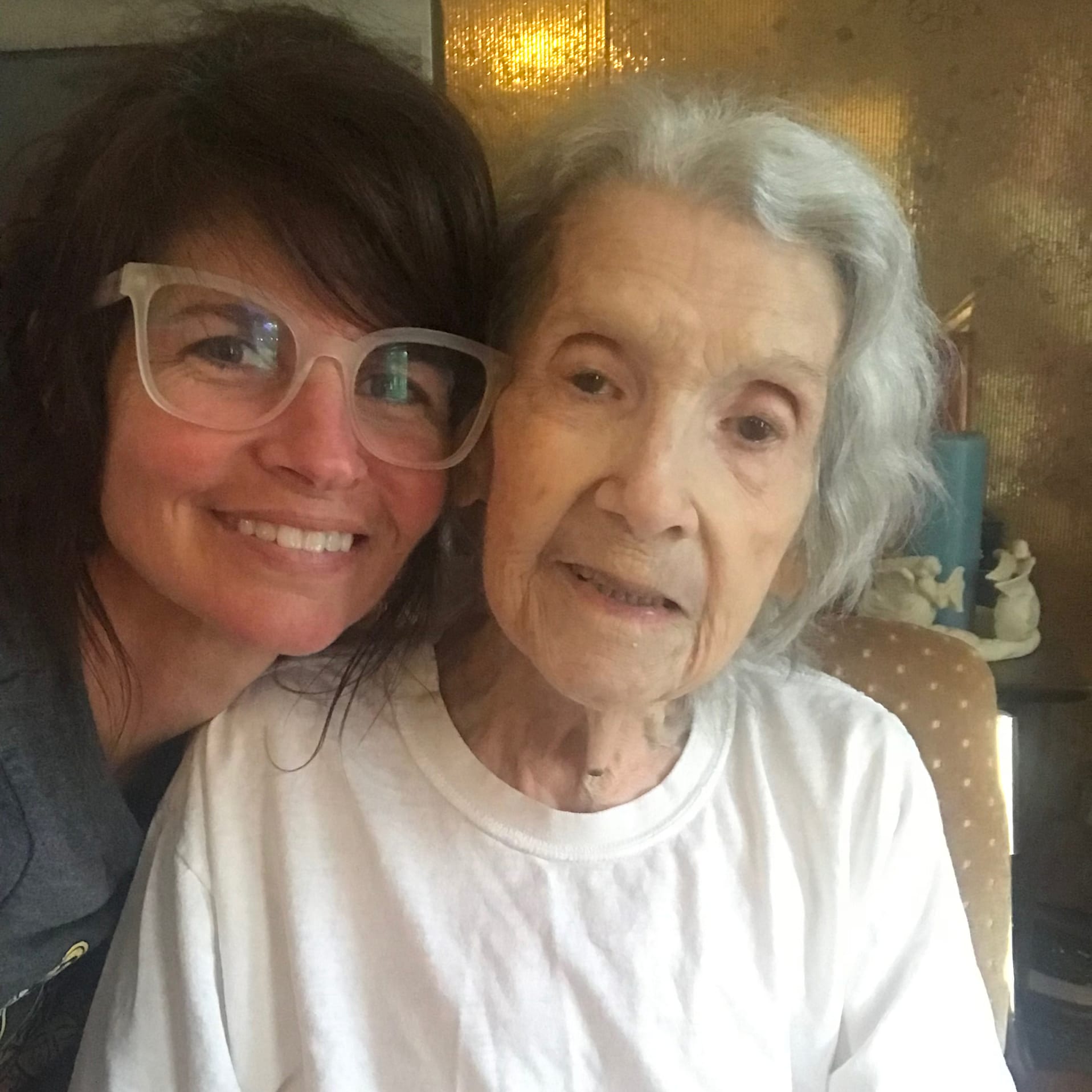
When former emergency department nurse Tara Lee started working in hospice care, she quickly bonded with one of her first patients and his wife, Jean. After he died, Tara and Jean stayed close — Tara called Jean her “adopted Southern grandma” — and for the next six years, Tara took Jean to all her doctors’ appointments.
Through all the doctors’ appointments, not one time did Jean’s physicians ask her about her end-of-life care wishes.
Despite the lack of prompting from her doctors, Jean updated her advance directive. She shared it with Tara and others, and as Jean approached her end of life, Tara recalls, “knowing her wishes made the process more bearable for both of us.” Tara was with her the day she died, in the same room Jean’s husband passed away in.
Tara’s story reflects the current state of end-of-life healthcare in this country: the burden often falls squarely on the patient to advocate for their own values.
And, tragically, as Tara would learn from the experiences of her own family members just a couple of years later, without an advance directive and the conversations that should go along with it, it’s often an uphill battle to get the care you want.
That’s why Compassion & Choices has lobbied for years for federal legislation that expands access to advance care planning. Now, we’re enthusiastically endorsing a bill recently reintroduced in the U.S. Congress that would do just that.
Currently, only about one in three adults in the U.S. have completed an advance directive. This often puts family members and healthcare providers in the agonizing position of having to make life-and-death decisions on behalf of the dying person with unnecessarily limited information.
The Compassionate Care Act aims to change that, empowering more Americans to have important conversations about their end-of-life care so their wishes are known and more likely to be honored.
The legislation, introduced by U.S. Senator Richard Blumenthal (D-CT) and U.S. Representative Nanette Barragán (D-CA) in August, would:
We’re working with Senator Blumenthal to help this bill become law so more patients can access the care that is right for them.
The Compassionate Care Act would be an important step toward making patient-directed end-of-life care both the expectation and the norm.
What does that mean? Real change requires pressure at every level, from patients demanding — and eventually expecting — the care and choices they need, from healthcare institutions adapting their policies and tools to deliver them, and from the many healthcare professionals who don’t know much about advance care planning getting the education and training they need.
The Compassionate Care Act is a clear example of how change happens on all of these fronts at once: shifting culture through a national public awareness campaign that inspires people to pursue advance care planning, and shifting systems through federal policy that establishes guidelines for advance care planning conversations, builds education resources for healthcare providers, and creates a national advance directive registry.
That matters especially for people who did everything “right” — planned ahead, made their wishes clear — and still ran into a system that failed them: people like Marie Cooper, Susan Hatch, and Maggie Schneider Huston. Currently, there are no federal guidelines on how an advance directive is tracked and honored across healthcare settings. The Compassionate Care Act would change that.
The reintroduction of the Compassionate Care Act speaks to one other important factor for making change: the power of patient-directed care coalitions. We’re proud to join other organizations like the National Partnership for Healthcare and Hospice Innovation (NPHI) and the Coalition to Transform Advanced Care (CTAC), alongside many other professional associations, in endorsing this bill.
Many patients need more information and resources to plan ahead. They also need a healthcare system that actually listens to them and honors their decisions. The Compassionate Care Act is a real, tangible step toward a system where patients don’t have to fight so hard to be heard. We’re proud to be a part of that.
While we fight for systemic change, you can take the first step right now. Start planning your care.

Mail contributions directly to:
Compassion & Choices Gift Processing Center
PO Box 485
Etna, NH 03750
Compassion & Choices is a 501 C3 organization. Federal tax number: 84-1328829