
When Julie Steele’s mother, Gigi Steele, was diagnosed with Lewy body dementia in 2020, she made her end-of-life care wishes clear: She didn’t want to spend months or years unable to recognize her family, and she didn’t want to live in a skilled nursing facility.
What wasn’t so clear was how Julie and her family could help Gigi have the end-of-life experience she wanted. Both Julie and her mother had spent their careers as nurses, but they felt ill-equipped for Gigi’s situation.
Unsure of their options, Julie reached out to Compassion & Choices’ helpline, Call Compassion.
“The person I spoke with was so kind and helpful,” Julie said. “When they asked if I had heard of VSED [voluntarily stopping eating and drinking], I said no. I was surprised — I’d given lectures on death and dying to nursing students, but I’d never heard of VSED.”
Gigi was thrilled and relieved that VSED gave her a lawful option for dying on her terms with her family around her.
“Our family was one hundred percent on board,” Julie said. “It was clear these were Mom’s wishes. Our job was to honor them.”
Voluntarily stopping eating and drinking (VSED) is a lawful, ethical, and profoundly personal end-of-life care choice, yet it remains one of the least understood options.
A person who chooses VSED is choosing to forgo all forms of nutrition and hydration in order to control how and when they die. For many people, VSED is not a last resort or an act of desperation; it is a deliberate, protected expression of autonomy.
Typically, VSED is a choice made by adults approaching life’s end who want more control over the timing and manner of their death. Most people who choose this option for dying are already near the end of life due to illness, in serious or accelerated physical health decline, or facing impending cognitive decline from diseases like dementia.
Fran Volkmann’s wife, Joan Cenedella, chose to voluntarily stop eating and drinking following an Alzheimer’s diagnosis.
For Joan, VSED was a way for her to die in her own home, with her friends around her, remaining “herself to the end,” which would later become the title for Fran’s book chronicling Joan’s experience.
It was apparent to all Joan’s friends and loved ones who gathered around her during VSED that Joan was truly cherishing her last days.
And for Fran, “It left me overwhelmed with gratitude.”
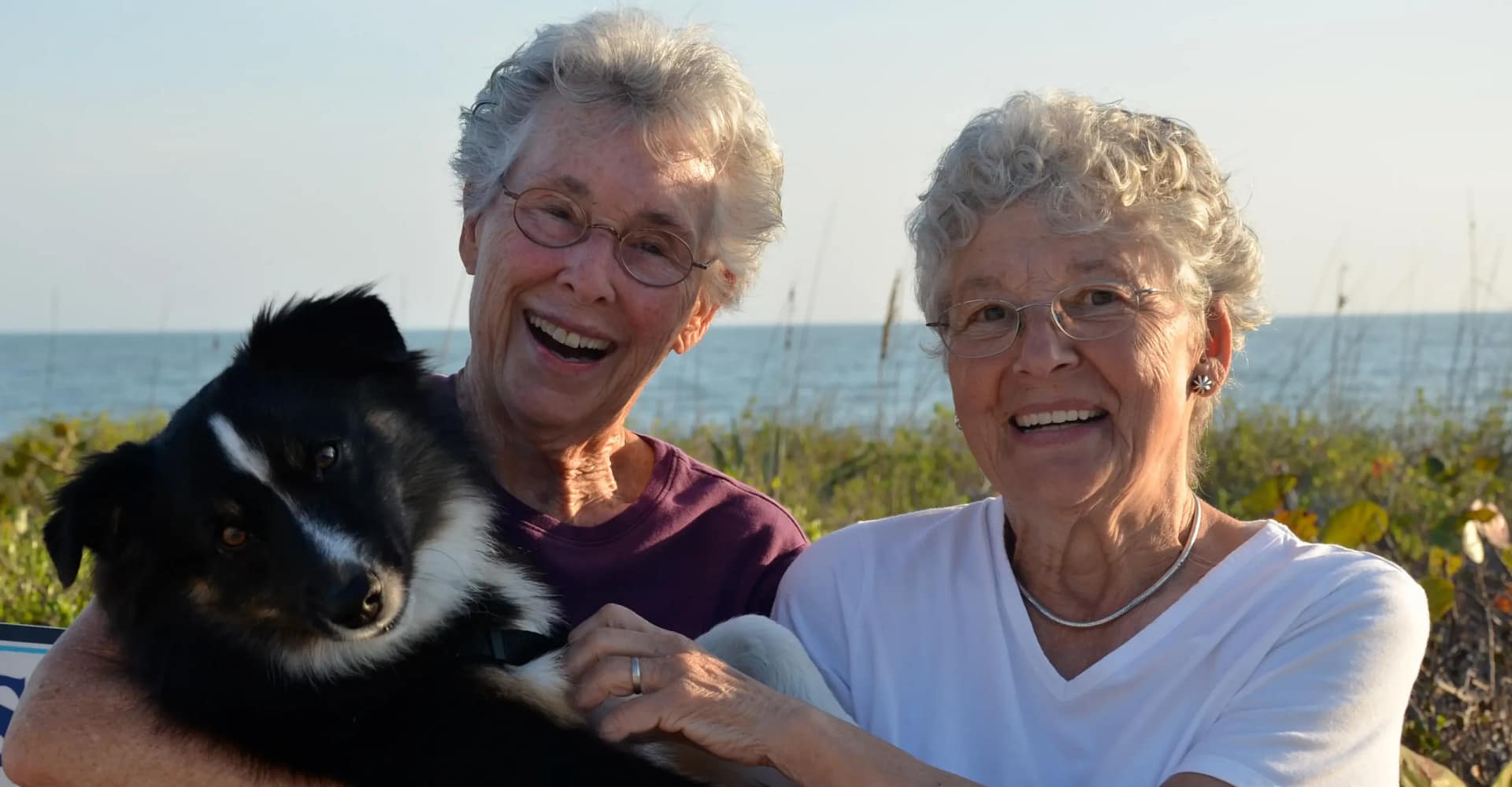
“For Joan, VSED was a way for her to die in her own home, with her friends around her, remaining ‘herself to the end.’”
— Fran Volkmann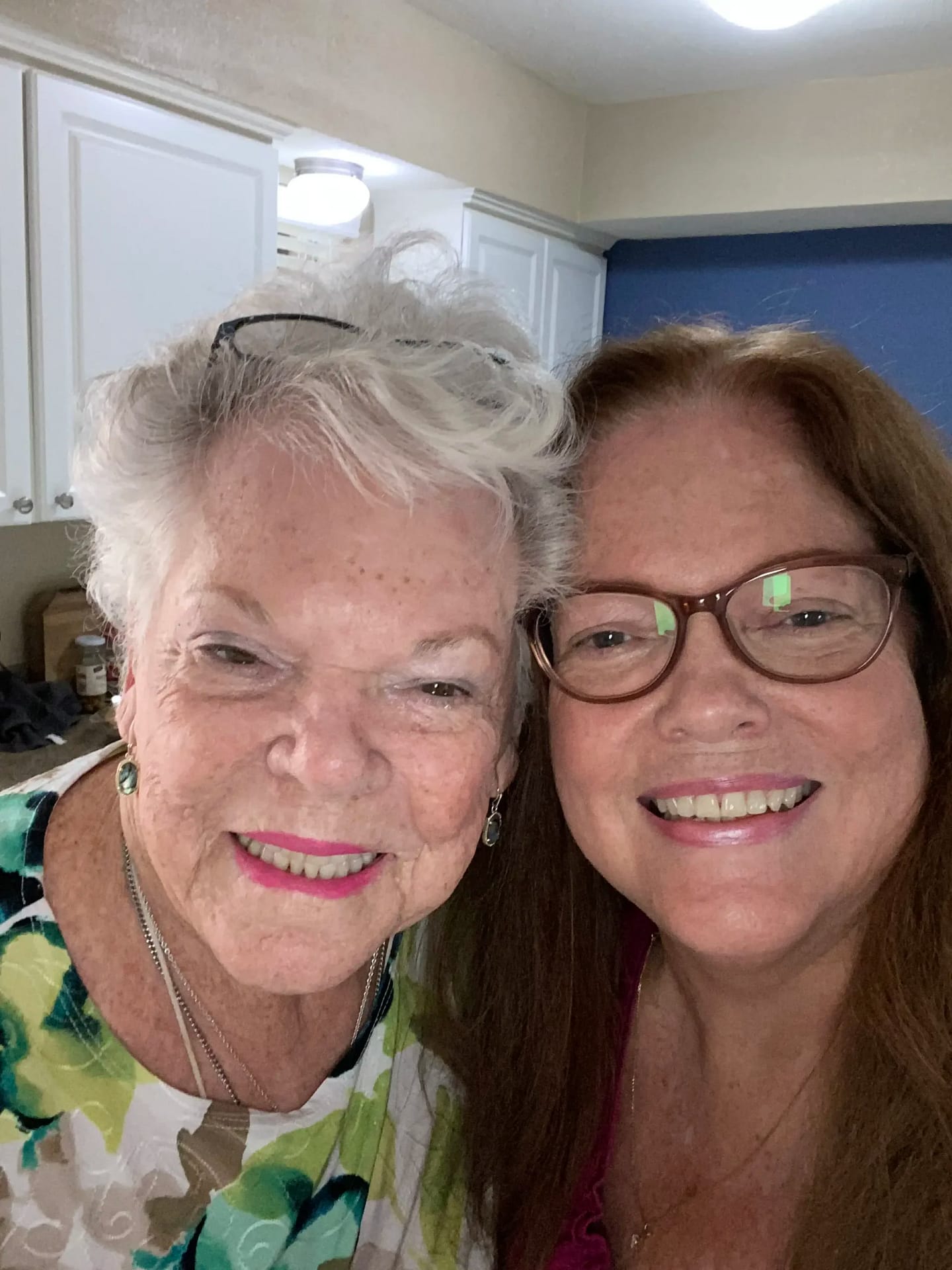
Unlike medical aid in dying, which is currently authorized in 13 states plus Washington, D.C., VSED is a lawful end-of-life care option available in all states.
Sometimes dying people choose VSED because they are not eligible for or cannot access medical aid in dying where they live. However, beginning the VSED process is not a way to become eligible for medical aid in dying.
If you choose VSED, you should plan carefully to be sure you receive adequate symptom management, comfort care, and emotional support. Hospice services, end-of-life doulas, and caregivers can help you during your process. It’s important that your care team and loved ones who will be involved are on board with your decision and have open, ongoing conversations about how they can collaborate to achieve your wishes.
You might consider documenting your plan to choose VSED in an advance directive and, if possible, make a short phone video to show your well-thought-out intentions. (While your advance directive provides guidance to caregivers, the decision to choose VSED is made while you have mental capacity to do so and is up to you; regardless of what is stated in your advance directive, no one else can choose to withhold food or water for you.)
In the cases of Joan and Gigi, each had a robust support system in place for caregiving, including hospice, family members, friends, and neighbors.
Because VSED is a natural process, the symptoms and timeline can vary from person to person. For some, it can feel like a gradual, peaceful transition. For others, it may be more physically and emotionally challenging. Age, overall health, medications, illnesses, body type, fluid retention, and even a person’s readiness to let go can all influence how the process unfolds.
During Gigi Steele’s VSED process, her family kept a spray bottle of ice water and mouth swabs to moisten her mouth, plus lip balm and lotion to keep her comfortable. Medications for anxiety and sedation were also key to her comfort during the process.
Seven days after starting VSED, Gigi died. Julie and her brother were holding her.
“We expected it would take longer,” Julie said. “When I talked to the doctor about this afterwards, he simply said, ‘She was very determined.’”
Four years later, the peace and love of Gigi’s last days inspired her sister — at the age of 85 and facing progressive dementia — to choose VSED, as well. She died peacefully in December 2025, cared for by her sons.

Mail contributions directly to:
Compassion & Choices Gift Processing Center
PO Box 485
Etna, NH 03750
Compassion & Choices is a 501 C3 organization. Federal tax number: 84-1328829