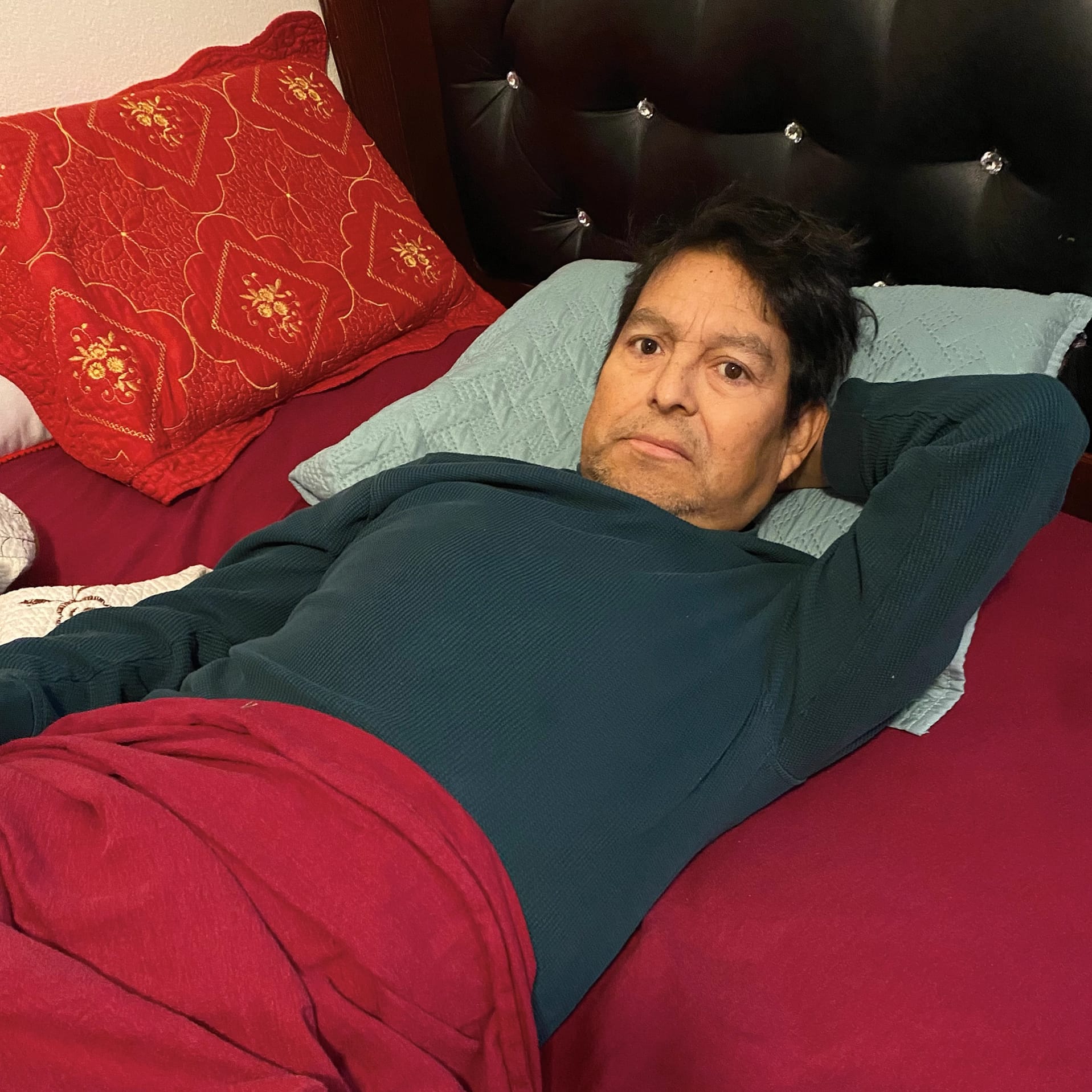
José Alejandro Lemuz described himself as a “low-income body shop mechanic.” He made a big impact on the movement for end-of-life options by becoming the first Latino in the United States to publicly announce his plans to utilize medical aid in dying to end his suffering from a terminal illness.
Lemuz did not speak English. He lived alone, but his two teenage children and their mother were sometimes able to care for him. In a translated editorial published in the Los Angeles Daily News, he stated, “My family doesn’t even have money for my burial.”
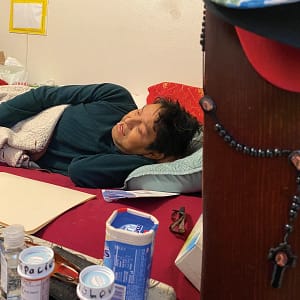
Lemuz was diagnosed with stage 4 prostate cancer in 2018. Over the next five years, he endured numerous rounds of chemotherapy and radiation to keep the cancer under control. In the summer of 2023, the secondary effects from the treatments became too painful and debilitating. He could not eat. He could barely walk, and the cancer had spread to his bones. Lemuz’s cancer was terminal, and his pain management medications left him confined to his bed.
Lemuz was facing death. Yet, his doctors never informed him of the option of medical aid in dying even though California’s End of Life Option Act became effective June 2016, almost eight years prior to Lemuz’s passing. His doctors continued to push aggressive treatments and withheld information about medical aid in dying even when he explicitly asked for it. He had accessed hospice care, but did not receive the support necessary to access aid-in-dying medication.
Obtaining a medical aid-in-dying prescription and filling it can be challenging for anyone. For vulnerable people, it can be even more difficult — particularly for those who are not offered adequate support and those who face discrimination and bias in relation to their race, ethnicity, age, financial resources or lack of insurance.
Lemuz sought information and heroically advocated for himself. Before his death, in an interview with Compassion & Choices, Lemuz said, “I learned about medical aid in dying from a YouTube video of a Californian who had asked their doctors for a prescription. Then I learned about Compassion & Choices through Univision.” He also discovered the late Miguel Carrasquillo, a medical aid-in-dying advocate and Compassion & Choices’ first Latino storyteller, who died in 2016 in his native Puerto Rico.
His challenges illustrated systematic health inequities and demonstrated the difficulties vulnerable populations face with the healthcare system. Lemuz and countless others like him have experienced healthcare disparities that leave them fighting for basic information and their medical rights, down to the last days of their lives. Lemuz may have been eligible for medical aid in dying months before he was prescribed the medication since he met the criteria of being an adult over the age of 18, was terminally ill with a prognosis of six months or less to live, mentally capable of making his own healthcare decisions and able to self-ingest the medication.
“I am immensely grateful to each and every member of Compassion & Choices for your personal support during my last days of life,” Lemuz said moments before taking the aid-in-dying medication. “Thank you for giving me the option to die peacefully, not painfully.”
Susan Wilhoit, MD, a medical director for Compassion & Choices, said, “José’s story is a reminder for all of us to listen to our own knowledge, trust our own bodies and be vocal about the things that matter to us.”
On Easter Sunday, 60-year-old Lemuz passed away peacefully after using California’s medical aid-in- dying law at his home in Wilmington, California.
We are making progress daily as Compassion & Choices and other like-minded organizations advocate for better access to end-of-life options. Compassion & Choices is dedicated to creating and promoting multilingual educational tools and planning resources to ensure that everyone is informed so they can direct, access and receive end-of-life healthcare that is consistent with their values and priorities.
Please click a button below for end-of-life resources.
Photos courtesy of José Alejandro Lemuz

Mail contributions directly to:
Compassion & Choices Gift Processing Center
PO Box 485
Etna, NH 03750
Compassion & Choices is a 501 C3 organization. Federal tax number: 84-1328829