VSED for individuals, families and caregivers: things to consider

Voluntarily Stopping Eating and Drinking (VSED) is a deeply personal decision made by some individuals facing serious illness or declining quality of life. This resource is designed to provide clear, compassionate information—answering common questions about what VSED is, how it works, and what you, your loved ones, and your medical providers should know. Our goal is to empower you with knowledge, support thoughtful conversations, and ensure care and dignity are at the center of your choices.

A person who chooses to voluntarily stop eating and drinking (VSED) is choosing to forgo all forms of nutrition and hydration in order to control how and when they die. 

Typically, VSED is a choice made by adults approaching life’s end who want more control over the timing and manner of their death.  Most people who choose this option for dying are already near the end of life due to illness or advanced age, in serious or accelerated physical health decline, or facing impending cognitive decline from diseases like dementia. They may be already experiencing a loss of appetite. Others have refused or ceased artificial nutrition and hydration. Sometimes dying people choose VSED because they are not eligible for or cannot access medical aid in dying where they live.  Beginning the VSED process is not a way to become eligible for medical aid in dying. To learn more about medical aid-in-dying eligibility, visit: compassionandchoices.org/medical-aid-in-dying 

Every experience of VSED is different. Because VSED is a natural process, the symptoms and timeline can vary from person to person. For some, it can feel like a gradual, peaceful transition. For others, it may be more physically and emotionally challenging.  Age, overall health, medications, illnesses, body type, fluid retention, and even a person’s readiness to let go can all influence how the process unfolds.c

If you choose VSED, you should plan carefully to be sure you receive adequate symptom management, comfort care and emotional support. Hospice services, end-of-life doulas and caregivers can help you during your process. It’s important that your care team and loved ones who will be involved are on board with your decision and have open, ongoing conversations about how they can collaborate to achieve your wishes. 

  • Research and understand  VSED experiences
  • Discuss with family, loved ones or caregivers
  • Document in an advance directive and, if possible, make a short phone video to show your well-thought-out intentions
  • Secure a supportive care team

No. VSED is a natural dying process and doesn’t require a doctor or clinician to participate. However, it can help significantly to have clinical support.

Although VSED is a legally defensible end-of-life option, you do not necessarily have the right to clinical assistance for VSED. Some clinicians might not be comfortable continuing to treat a patient who is voluntarily stopping eating and drinking. Some might not even be aware of VSED as an end-of-life care option. 

Compassion & Choices advocates for patients to have frank and open conversations with their clinicians without fear of negative consequences so that they may find the care and support they need. If your clinician shares that they cannot support your wish for VSED, thank them for listening. Ask them if they know of someone that might be able to help. Call your local hospice to see if they can recommend someone. Also, if you choose a hospice for support, their medical director can be your clinician.  

Even if your medical provider supports your VSED journey, they may still need information or resources related to VSED. For more information to guide clinicians, click here

It is important to have a support network around you when you choose VSED. How will you convey your desire to choose VSED to those individuals? Here are some tips:

  • Ground the conversation in your values: Start by sharing why you are considering VSED. Discuss your values and what matters most to you as you near the end of your life. Framing the decision in the context of your beliefs can help others understand your choice. Find more advice on how to talk to your provider here.
  • Involve your chosen support system early: Including your support network early can help cultivate understanding and connection and avoid feelings of exclusion.
  • Prepare for a range of emotions: Your loved ones may respond with a wide range of emotions, from surprise to grief. Acknowledge those emotions and reaffirm your decision. 
  • Share credible information: Many people are not familiar with VSED. Provide materials like this one or the resources provided below to your support network so they can research on their own.
  • Name your healthcare proxy: Designating someone who will honor your wishes is incredibly important and including them in these conversations is critical. 

Start discussing your interest in VSED with your current or potential hospice care providers early on. Explain your wishes, values and concerns, and your desire for comfort care. 

Hospice providers may choose not to continue caring for a patient who wants to pursue VSED, or they might agree to continue care but lack proper training to support a VSED patient. Others might enthusiastically and capably assist a patient through the VSED process. 

Even if you are enrolled in hospice, you will need to make arrangements for 24-hour care once the VSED process has begun. In addition to healthcare providers, your care team might be family or friends who understand the process and have been instructed on how to give appropriate comfort care. Make sure each care provider understands and is supportive of your plan to stop all forms of food and hydration. Whether a family member or a paid caregiver, everyone caring for you must understand what measures are needed to undertake and complete VSED.

If facing any pushback from a hospice provider on your decision to VSED, call Compassion Legal.

VSED is more difficult if you have a longer prognosis and lack hospice care. In these cases, you need a caregiver(s) who is committed to honoring your wishes and assisting you constantly throughout the process. 

Hospice eligibility requires a prognosis of less than six months. If your illness is not likely to cause death within six months, some hospices will not admit you until you have stopped eating and drinking. You can accept that approach or look for another hospice that will admit you before you start VSED.  Either way, at some point in your process, you will likely become eligible for hospice, and it is helpful to preestablish a relationship with a hospice provider to become a part of your care team when the time is right. 

Regardless of your prognosis, your medical providers or hospice administrators may require you to be evaluated for decision-making capacity and psychological conditions, like depression, before giving their support or admission to hospice. If you are an older adult, ask your physician for the name of a psychologist or psychiatrist who specializes in geriatric evaluations.

Ideally, before moving into a residential care facility, you should inquire to ensure that the facility and its staff will support you in your end-of-life care wishes, including if you choose to undertake VSED. Consider including a rider to your residential agreement with the assisted living facility. Having this rider in place helps ensure that an assisted-living facility will respect your wishes for end-of-life care.

If you currently reside in a skilled nursing facility, discuss your wishes with the nursing director or social worker. You will need their agreement to support you. You will need to make arrangements for 24-hour care once the VSED process has begun. Make sure each care provider understands and is supportive of your plan to stop all food and fluids. You might also discuss your desire not to be taken to places where food is being served and for staff and family not to bring food or drink into your room. Whether a family member or a paid caregiver, everyone caring for you must understand and support the fast. 

Support for VSED in residential care can vary depending on the type of facility and the level of care they are licensed (and contracted) to provide, the laws and regulations that govern them, and the policies of the building itself. 

  • In independent and assisted living facilities, medical support might be limited. Some might offer support for VSED if you are enrolled in hospice. 
  • Skilled nursing facilities provide around-the-clock medical care and assistance for people with complex health needs. You will likely struggle to find support for VSED in this environment, especially if you are admitted for a short-term rehabilitative stay. 
  • If facing any pushback from a residential facility about choosing VSED, contact Compassion Legal for help.

Because VSED is voluntary, you need to be able to make your own decision to undertake it. If you have mild dementia, you are probably able to make a VSED decision. In moderate dementia you may or may not be able to make a decision. In severe dementia you will not be able to make this decision. Physicians can evaluate you for decision-making capacity. 

Healthcare providers typically determine whether a patient’s decisional capacity is intact through interviews, which might include multiple conversations with more than one clinician. 

Your caregiver is ethically bound to provide nutrition or hydration as requested by 

you, the patient. However, before you begin VSED, you can discuss how they might respond to your request in a way that reminds you of your original intention while leaving the option to eat or drink open. For example, “OK, I’d be happy to get you some milk, but I just want to remind you that you wanted to stop eating and drinking to control your dying. Do you still want that milk?” Caregivers could also play your recorded video statement as a reminder of your goal. 

Before you begin VSED, you can also discuss with your caregivers your desire to receive minimum comfort hydration should you repeatedly ask for a drink after the process has begun. You might also consider adding a similar statement to your advance directive. Although an advance directive cannot be a sole basis for honoring your wishes to VSED, documenting your intention can be helpful to your caregivers should you ask for food or hydration or become incapacitated during the process. 

Friends and family may be hesitant to support your decision based on many factors, including a lack of understanding or knowledge about VSED and the process. Describing her partner Joan’s VSED journey, Fran Volkmann provides a helpful analogy:

“One member of our core group, Audrey, distinguished between being on the outside and the inside of the situation in which we found ourselves. When people first hear of a decision like Joan’s, it comes as a bolt out of the blue and their initial reaction can be one of horror or dismay. As they learn more, they are brought into the inside, and their responses become far more nuanced, less judgmental, and in our experience, often pointedly supportive.”

There may be loved ones who remain hesitant to support you or even stand against your choice. In those cases, you may choose to honor their choice and excuse them from the process. It may be worthwhile to note their exclusion from your healthcare decision-making in your advance directive. 

If your healthcare proxy or alternate proxy will not support your VSED decision it is important to consider changing proxies. 

VSED Stories

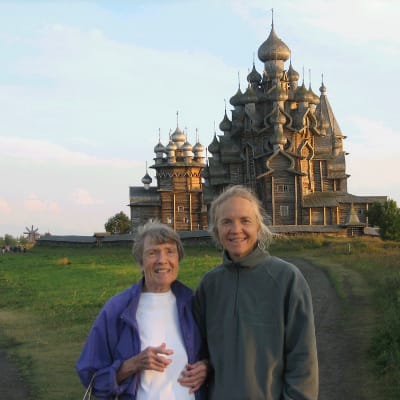
Marcia and Opal Sloane stand in front of the Kizhi Temple

Marcia Sloane

Marcia Sloane’s mother, Opal Sloane, voluntarily stopped eating and drinking at the age of 98 following a full and happy life.
“I deeply appreciate witnessing the preparation, clarity, and fearless resolve that marked my mother’s choice to voluntarily stop eating and drinking. Her journey took some of the mystery out of death and showed me a way I might someday choose to die.”

Ben Griffith

At the age of 99, Ben Griffith’s father chose to voluntarily stop eating and drinking (VSED) to control his end-of-life experience.
“Not only was VSED my father’s legal right, it was also a graceful way for him to have control at the end of his life.”

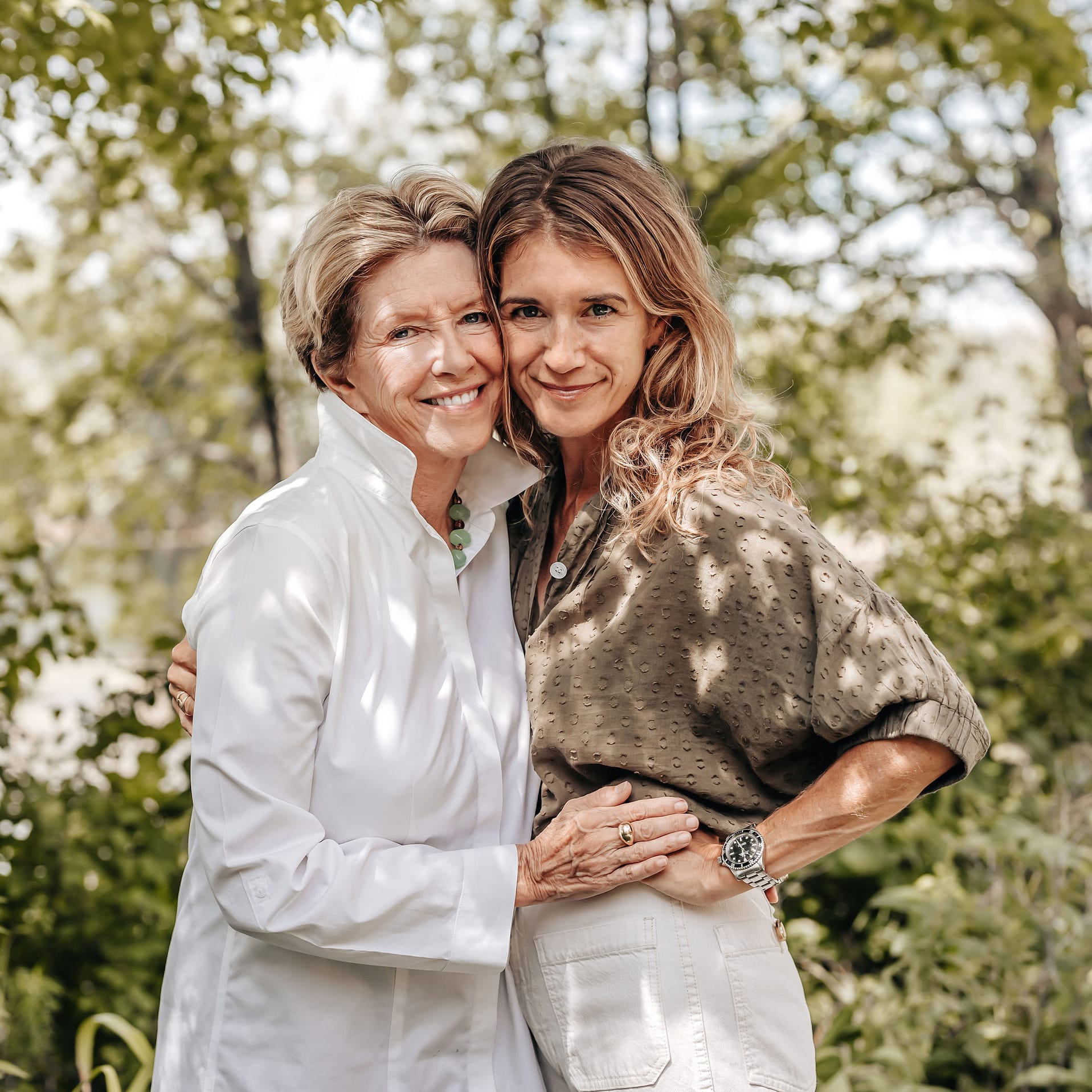
Cheryl Hauser and Wendy Brown

Cheryl Hauser (1946-2023) chose to voluntarily stop eating and drinking to end her suffering from Alzheimer’s disease.
“I want to have dignity in my final years of life. But it’s not just my story. What’s most important is to educate people. I want there to be a legacy to what I’m doing.”

Cathy Calisi

Cathy Calisi’s mother, Nana Dunn, chose to voluntarily stop eating and drinking (VSED) at the age of 83.
“I’m sharing Mom’s story now because I know how important it was to her that people be informed about all of their options for end-of-life care. I also know how peaceful her end of life was for her and her loved ones.”
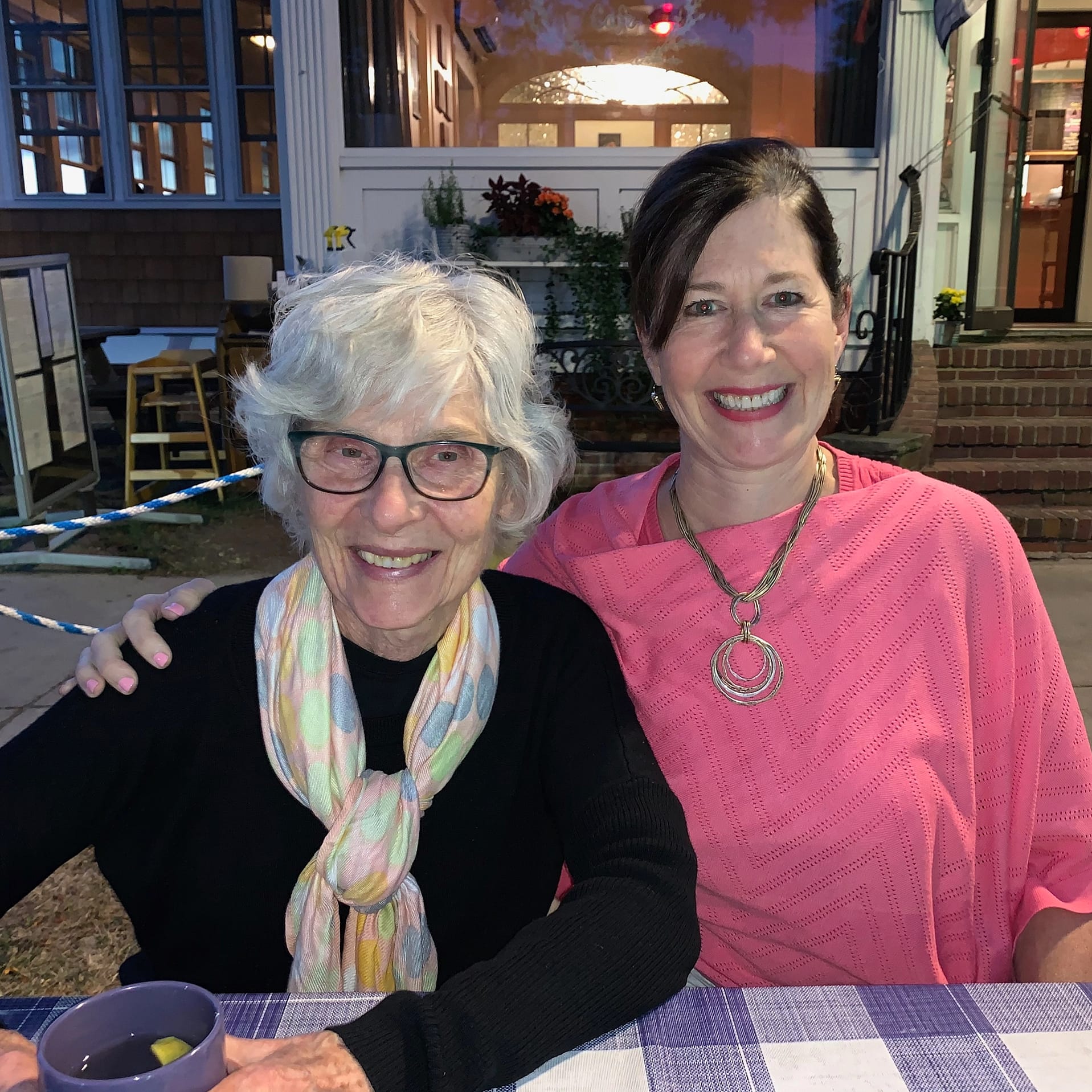
cathy calisi and mom nana dunn
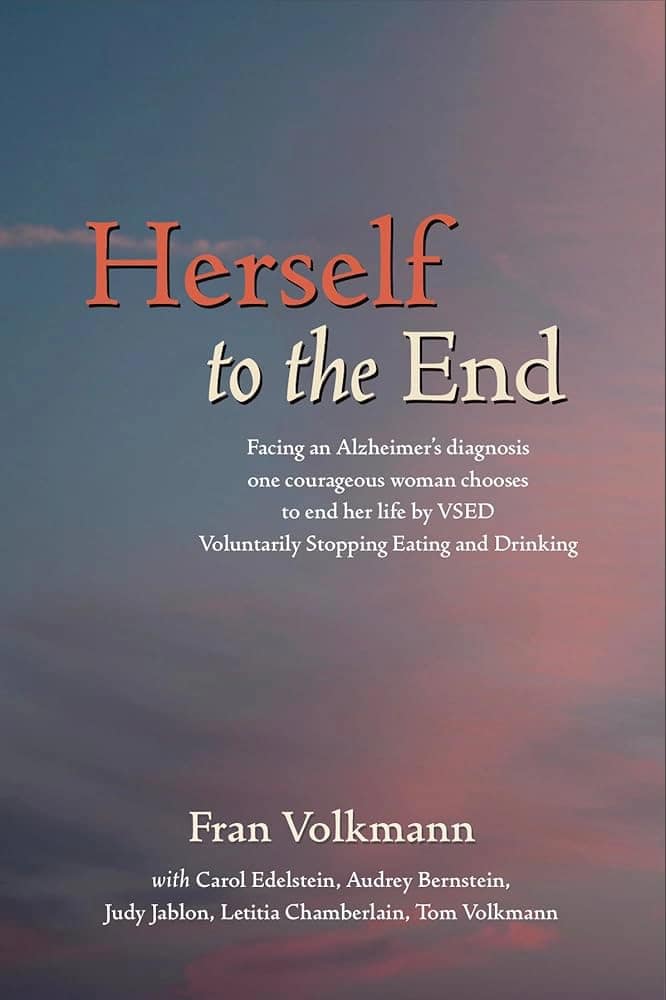
herself to the end book cover

Herself to the End by Fran Volkmann

In Herself to the End, Fran Volkmann chronicles her wife, Joan’s, decision to stop eating and drinking following a dementia diagnosis and the steps she took to achieve a peaceful and dignified death with the support of her medical team, loving partner and friends. 

fran volkmann

We came away from our meetings with our doctor, hospice staff, and [our death doula] feeling overwhelmed by our good fortune. We had been heard, understood, and cared for. In the midst of a terrible [dementia] diagnosis and the most difficult of end-of-life decisions, we had been relieved of a great weight. Joan was going to be able to accomplish her VSED with the care and support of a committed medical team.

Fran Volkmann
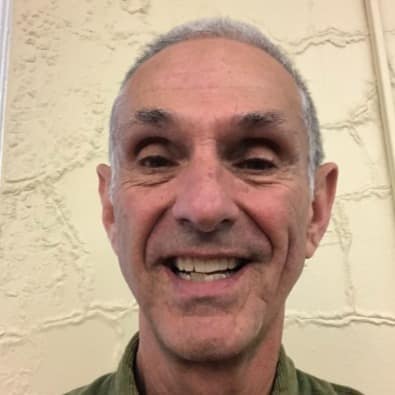
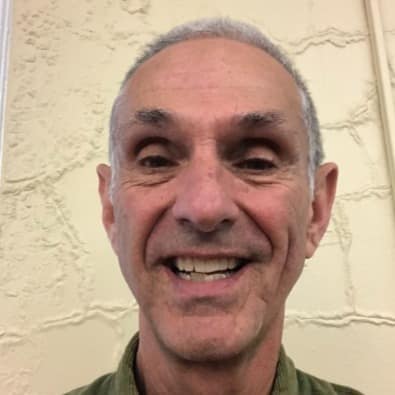
Selfie of Ben Griffith

For over a decade, Dad had shared with my brothers and me his interest in voluntarily stopping eating and drinking (VSED). In October 2021, he began to more seriously pursue the possibility. He talked with hospice and my brother Tim, who lived nearby, about how he could have his ducks in a row for when he made the decision to start VSED. He also had several conversations with his doctor, who was reluctant to support him, but stated that he respected my father’s decision-making process. That month Dad and I had a Zoom call where I told him I was willing to be present for him during VSED if that’s what he chose to do.

Ben Griffith
cathy calisi and mom nana dunn

On day 7, Mom spoke with someone from Compassion & Choices by phone about her decision and how VSED was going. It was very important to her to increase public awareness about the option of VSED. Even among medical professionals, there’s a real lack of information about it, as I can personally attest. Virtually everyone who came to visit Mom in her last few weeks had never heard of VSED. And so, true to form, Mom’s last act would be sharing knowledge.

Cathy Calisi
General Mailing Address:
Compassion & Choices
8156 S Wadsworth Blvd #E-162
Littleton, CO 80128

Mail contributions directly to:
Compassion & Choices Gift Processing Center
PO Box 485
Etna, NH 03750

Compassion & Choices is a 501 C3 organization. Federal tax number: 84-1328829

candid seal platinum 2025
great nonprofits 2024 top rated badge
Question 1 of 14

Your information entered here will be included on the final copy of your Dementia Advance Directive (addendum).

Name
Birth Date
Paso 1 de 14

Yo estoy completando este documento porque quiero que mi(s) persona designada (s) en la toma de decisiones, médicos y equipo de atención médica, familia, cuidadores y seres queridos conozcan mis deseos respecto al tipo de cuidados que deseo si vivo con demencia.

Nombre
Fecha de nacimiento
Question 1 of 14

Your information entered here will be included on the final copy of your Dementia Advance Directive (addendum).

Name
Birth Date