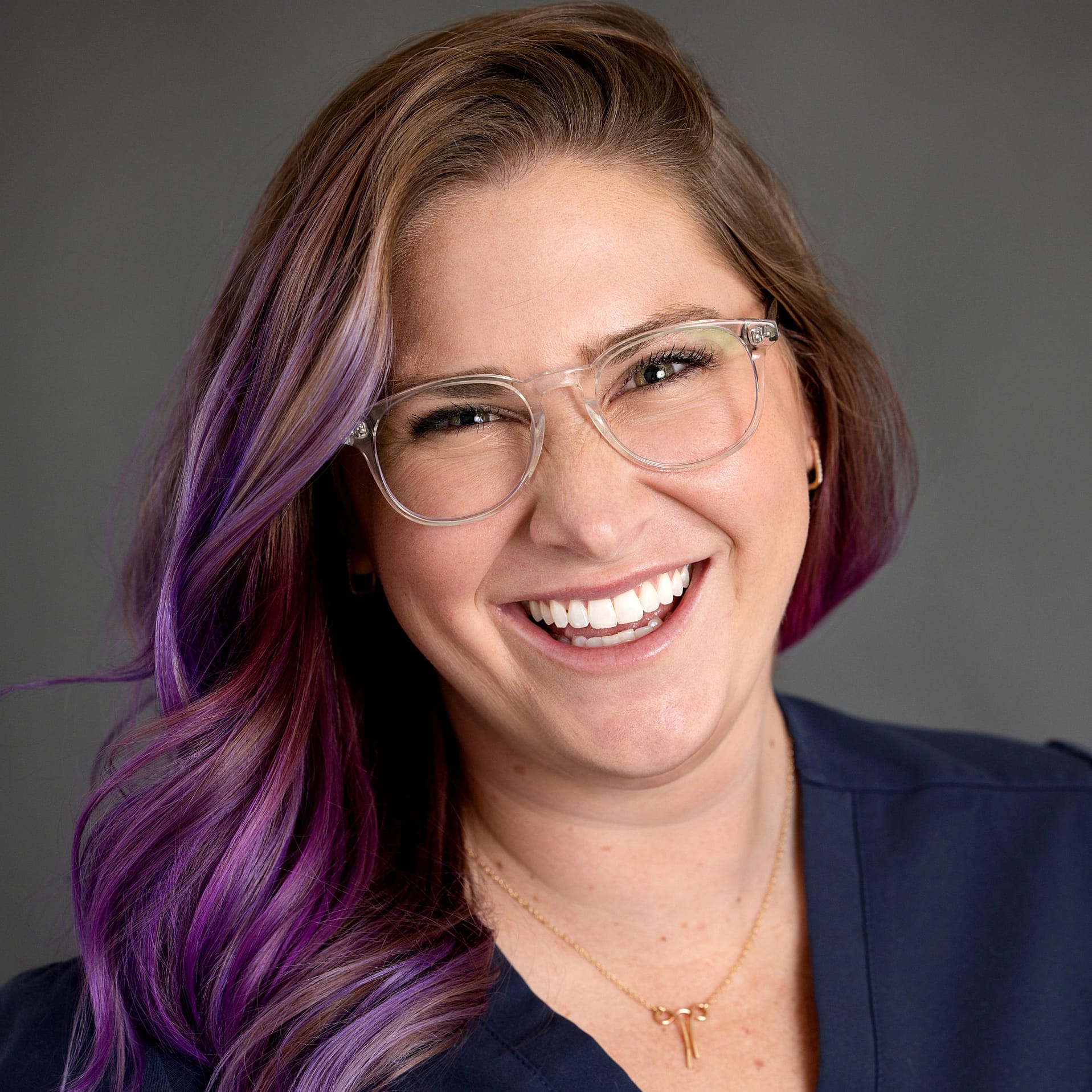
Nikki Sapiro Vinckier is an OB/GYN physician associate, author of We Deserve More, reproductive health advocate, and plaintiff in Koskenoja v. Whitmer. She lives in Michigan with her family and works to advance patient autonomy and healthcare access.
There are days when it feels like nothing changes.
The news is exhausting. The problems feel enormous. It’s easy to believe that ordinary people have very little power to shape the systems around them.
And then there are stories that stop you in your tracks. Stories that make you angry. Stories that make you grieve. Stories that leave you asking, How is this possible?
Adriana Smith’s story was one of those moments for me.
As Ms. Smith lay brain dead in a hospital, her family’s grief was compounded by Georgia law, including its pregnancy exclusion, which left them unable to participate in decisions regarding her medical care. As I followed her family’s unimaginable experience, I found myself asking a question I couldn’t shake: Could this happen to me?
The answer was yes.
I learned that Michigan, where I live, had a pregnancy exclusion in its advance directive law that allowed a pregnant person’s end-of-life wishes to be disregarded simply because they were pregnant. Like many people, I assumed that if you took the time to choose a patient advocate, communicate your wishes, and put them in writing, those decisions would be honored.
Except for pregnant people.
The law created a single category of patients whose carefully documented decisions could be overridden solely because they were pregnant.
And once I knew that exception existed, I knew we had to do something about it.
What I love most about this case isn’t simply that we won. It’s how we won.
Michiganders organized to pass Proposal 3 and enshrine reproductive freedom in our state constitution. Thousands of volunteers collected signatures, talked to neighbors, and believed that deeply personal healthcare decisions belong to patients and their families.
Then organizations like Compassion & Choices and If/When/How recognized something powerful: Those constitutional protections weren’t just symbolic. They could be used to challenge antiquated laws that continued to undermine patient autonomy.
We organized.
We changed the constitution.
And then we used that constitution to change the law.
That’s what makes this victory so meaningful.
It belongs to the volunteers who collected signatures. It belongs to the advocates who educated communities. It belongs to the attorneys who crafted the legal arguments. It belongs to the plaintiffs who stepped forward. And it belongs to every Michigander who believed our constitution should mean what it says.
There’s a Margaret Mead quote framed in the entryway of my home: “Never doubt that a small group of thoughtful, committed citizens can change the world. Indeed, it is the only thing that ever has.”
I walk past it every day, and this case is exactly what that quote looks like in practice.
People often ask how they can make a difference. They imagine advocacy requires a law degree, a political campaign, or a massive platform. But more often, it looks much simpler than that. It looks like gathering signatures. Supporting organizations doing the hard work behind the scenes. Showing up. Sharing your story. Trusting that your voice matters and that collective action can create change.
Compassion & Choices embodies that belief. Their vision is a world where people are empowered to make deeply personal decisions about their own care according to their own values, priorities, and beliefs. In Michigan, they helped turn that vision into reality.
At a time when so much can feel overwhelming, I keep coming back to this win.
Not because it proves that one person can change the world.
But because it reminds us that when people organize, build power, and work together, they can change the laws that shape our lives.
Mail contributions directly to:
Compassion & Choices Gift Processing Center
PO Box 485
Etna, NH 03750
Compassion & Choices is a 501 C3 organization. Federal tax number: 84-1328829