Two weeks before my grandmother passed, she told me, “Paulina, whenever I’m not here anymore, I want you to know I love you, and that will never change.” It was like she had an inkling that her time was near.
But when she died a few weeks later, my family wasn’t prepared. It was sudden — she wasn’t on her deathbed, she hadn’t been sick.
In an instant, one of the most compassionate women I have ever known was gone.
Losing someone who means so much to you is hard, no matter what. Looking back now, however, I believe if my family and I had had more information about the end of life and how to prepare for it, we might have been able to process our grief differently. But for Mexican-American families like my own, the barriers around planning for end-of-life care were considerable.
When it comes to end-of-life care, there are so many barriers that prevent equitable access for Latino families.
One of the biggest challenges is that people don’t know where to go for resources or how to approach the conversation, so they avoid it entirely — “no pasa nada, when my time comes, it comes,” I often hear.
Many factors contribute to this situation. Things like the language barrier: even here in the Rio Grande Valley, where the population is up to 98% Latino, the ratio of healthcare providers to patients is extremely low, and many providers are not Latino and don’t speak the language their patients speak. It results in people leaving their doctor’s offices having received a serious diagnosis but never having had a conversation about end-of-life resources.

Providers need to be trained to share that information, and families need to be trained to advocate for themselves.
Meanwhile, Latino families face additional barriers, including cost, lack of transportation and time. There are free resources and legal firms that are willing to help pro bono or at a discount, but families must be aware they exist.
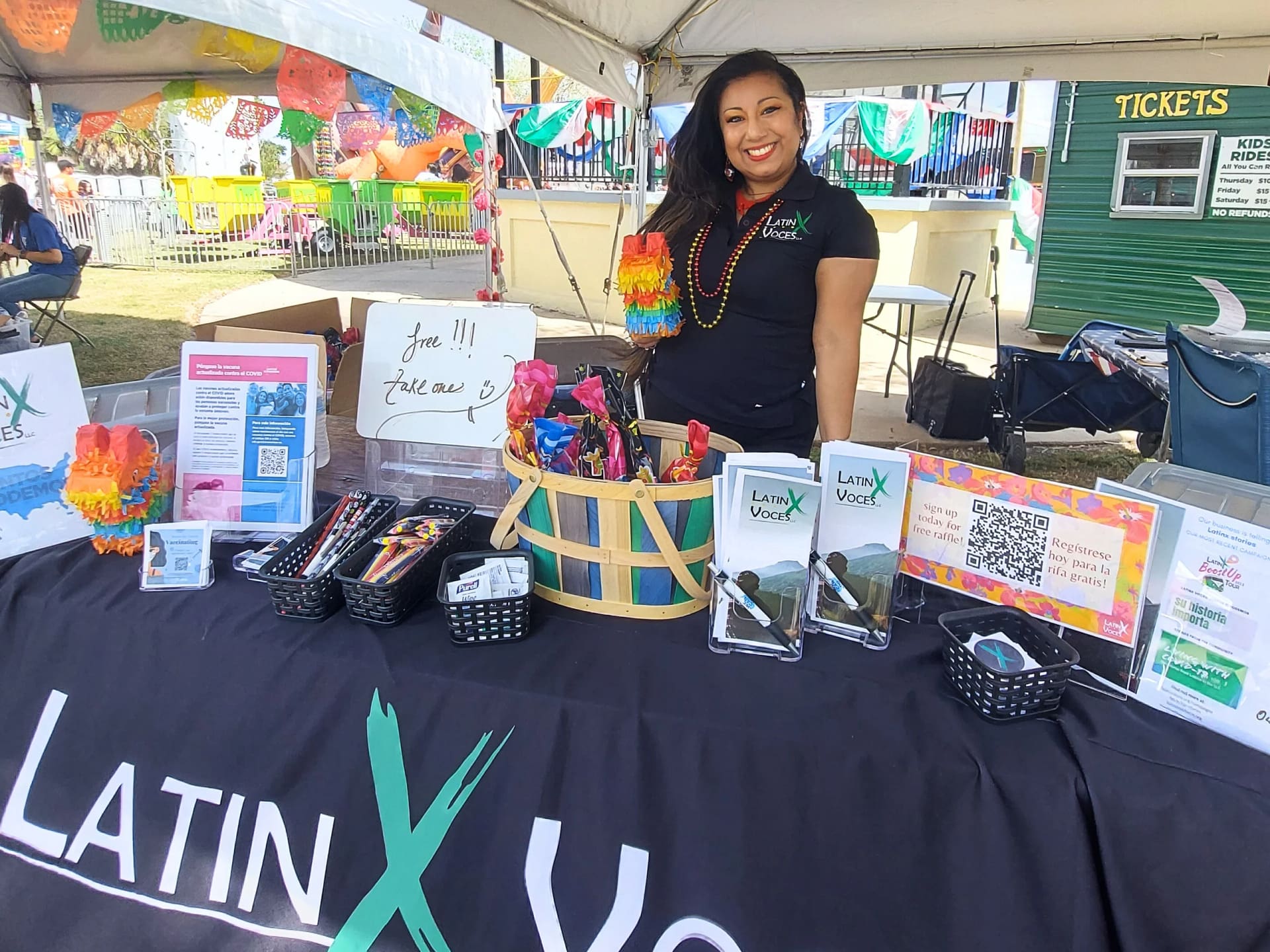
I see Latinx Voces as trying to live up to my grandmother’s legacy of always putting people first. We believe it’s important to navigate end-of-life conversations with cultural sensitivity and in a way that makes sense for the communities we are in. In one of our workshops with Compassion & Choices, we talk about shifting people’s perspectives from “We don’t talk about this” to “We should talk about this because I love you.”
To do this, we create safe spaces for these conversations. During COVID, we offered platicas with pan dulce and cafecito, creating little conversation cafes where people could ask hard questions or just sit and be present.

We also have created a network of trusted messengers, including faith leaders, small business owners, local community health workers, nonprofits, law enforcement and artists to get the word out about healthcare planning into our communities. Our goal for 2026 is to work more with these trusted messengers and clinics, so that we can continue to bridge the information barrier and have a long-term impact.
This fall, we’re hosting our first Latinx Health Summit and Cultural Festival, and Compassion & Choices will be front and center.
We’ll bring together health workers, nonprofit partners, small business owners, researchers and artists to have one-on-one and group conversations about end-of-life care, along with other key health priorities that our community faces. Then we’ll transition to a cultural festival that will coincide with Día de los Muertos and use that tradition as an opportunity to engage with end-of-life issues and conversations.
Our webinars and workshops with Compassion & Choices have had such an impact on the people who have attended. They now have information they didn’t even know existed before. I’ve heard personal testimonies from multiple families saying, “I didn’t even know this [advance care planning] was something I could do, I thought it was for rich people…” It’s been incredible to see the change start to happen, one conversation at a time.
To learn more about the partnership between Compassion & Choices and Latinx Voces, click here.
Mail contributions directly to:
Compassion & Choices Gift Processing Center
PO Box 485
Etna, NH 03750
Compassion & Choices is a 501 C3 organization. Federal tax number: 84-1328829