
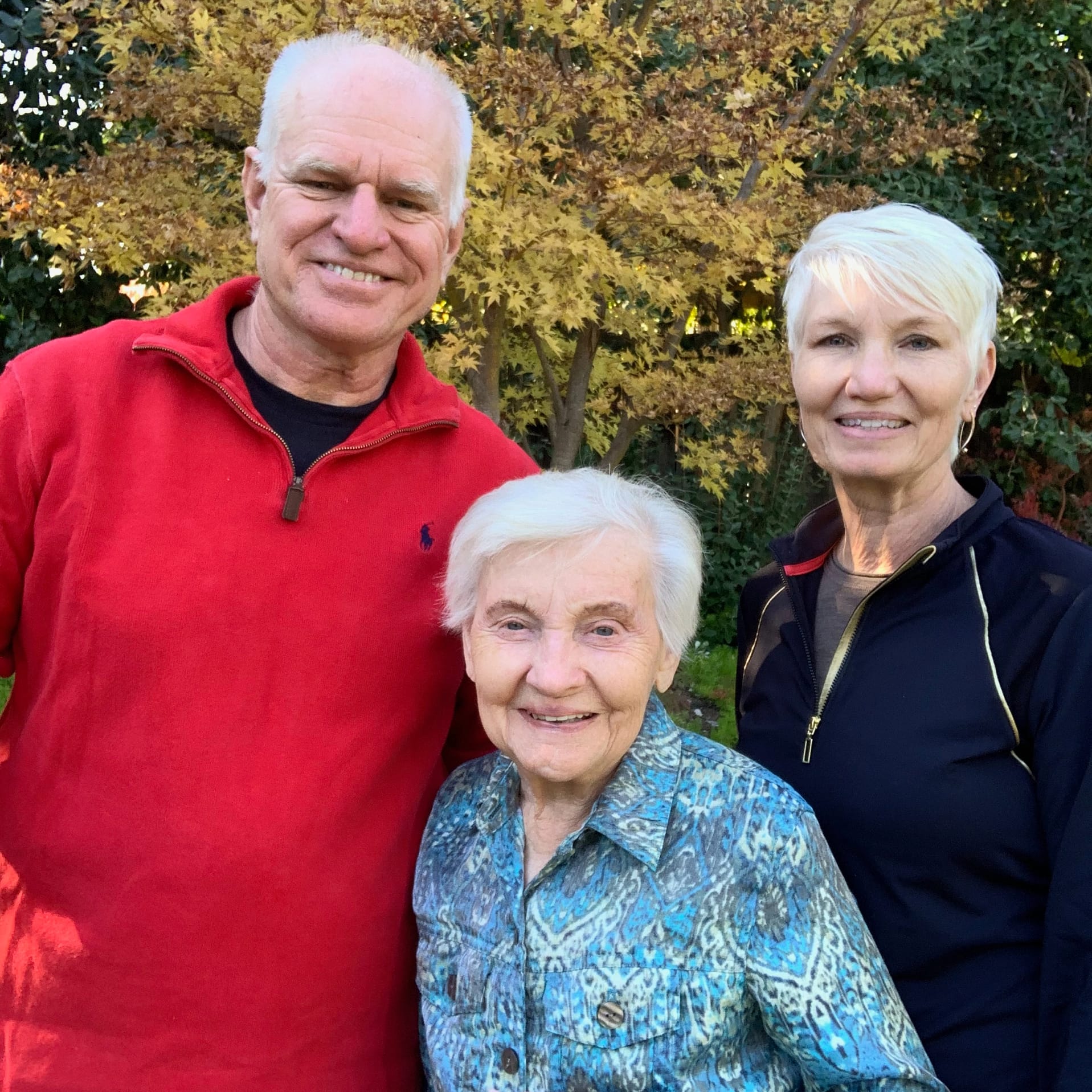
“[My mother’s] wishes for her end-of-life care were honored because I knew what they were, and I stood firmly by them.”
Edie had lived with dementia for years, but when she became ill with COVID-19 at the age of 91, she took a turn for the worse. Her son, Peter, was by her side and advocated that her directives for her end-of-life care be followed. Because he knew what mattered to her, he was able to ensure that she experienced the peaceful death she desired.
Edie and Peter’s experience reflects the findings of a new literature review on what makes a good death possible for people with dementia. The review found that dying well requires accessible, comprehensive, person-centered care at the end of life, as well as robust support for loved ones and caregivers.
While the review focuses on people with dementia who live at home or with loved ones, rather than in settings like nursing homes, the results are widely relevant. It identifies common elements of a good death as including:
There are actions we can all take to make this kind of experience more likely for ourselves and our loved ones, including discussing and documenting our end-of-life wishes. It’s especially important to do so in the early stages of dementia, before the ability to make decisions and communicate them is lost. Planning ahead helps people receive care that reflects their values and priorities, while also relieving uncertainty for caregivers.
In Peter’s case, his parents had created advance directives years before his mother developed dementia. “Their directives specified that they did not want to have their lives sustained by tube feeds or other mechanical interventions if there was no hope of survival otherwise,” he shares. “Any of the interventions that [Mom] had specified she didn’t want, she didn’t get.”
While individual planning and advocacy matter, systemic forces also shape the dying experience.
According to the study, a good death with dementia is affected by access to quality end-of-life care and community-based resources. This can include palliative care and hospice, support with daily living, and caregiver education.
Another important factor is comprehensive, person-centered care — from effective symptom management to conversations about advance care planning during medical appointments. The study suggests that healthcare professionals can help create a more supportive end-of-life experience by treating patients with kindness and dignity and building trustworthy, empathetic relationships with them and their loved ones.
Dying peacefully at home with dignity, autonomy, and loved ones present is what a good death looks like to many people — including those with dementia, the study reveals.
While Edie died in the hospital rather than at home, Peter helped her have the best end-of-life experience possible given her circumstances. He shares, “I was able to be there at her bedside at the end, giving her comfort care, making sure she received her medications, and was getting rotated. I got her clergyman to be on the phone with us to give her a final blessing… We were able to make the transition easy for her.”
Every day, Compassion & Choices is working to make end-of-life experiences like this more common and accessible. Through advocacy, litigation, education, resources, and support, we’re helping establish a new gold standard of care at life’s end. One that is driven by people, and grounded in what matters most.
Take control of your future care today with Compassion & Choices’ free guides and resources, including our Dementia Values & Priorities Tool, which will help you reflect on and document your wishes in case of dementia.

Mail contributions directly to:
Compassion & Choices Gift Processing Center
PO Box 485
Etna, NH 03750
Compassion & Choices is a 501 C3 organization. Federal tax number: 84-1328829