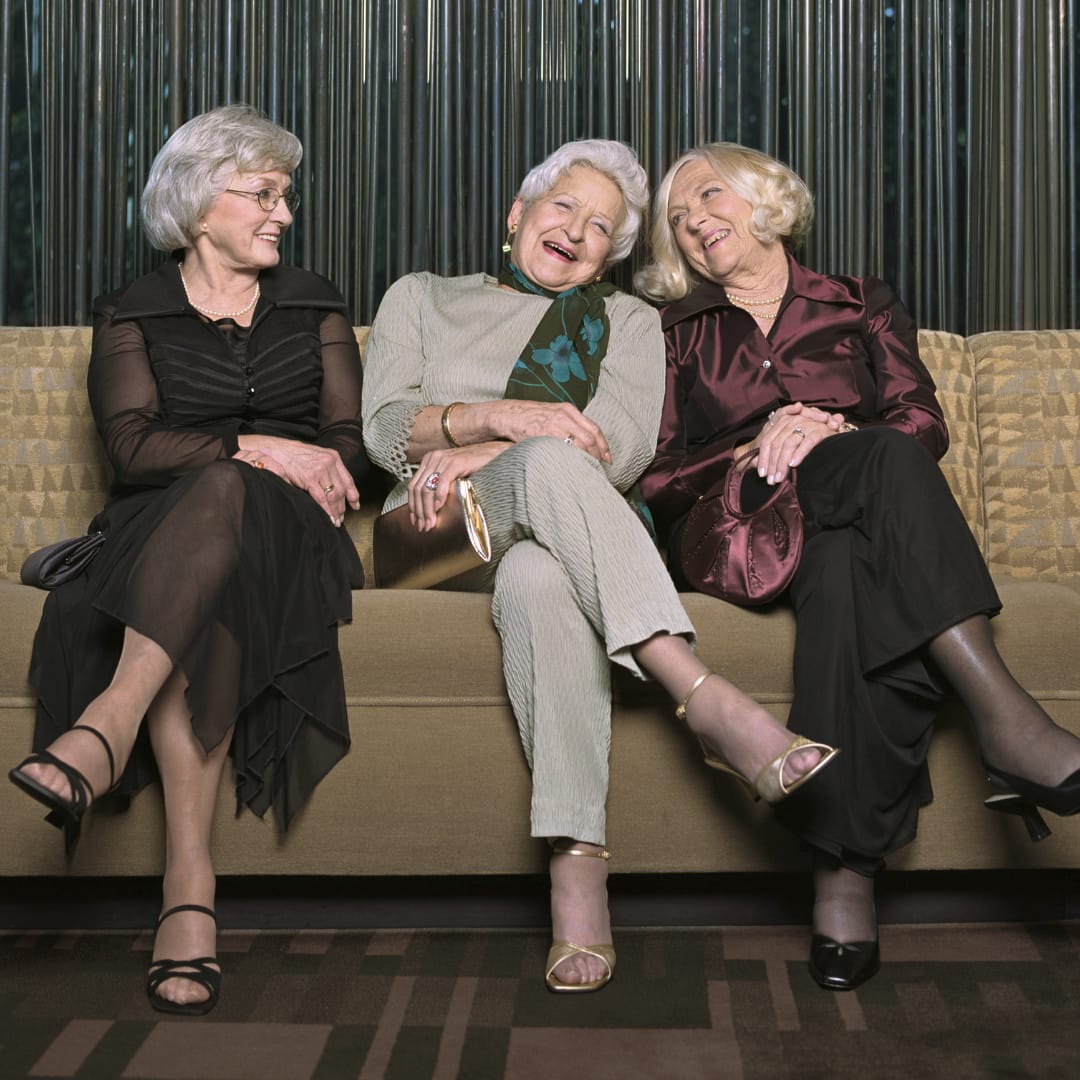
Dana Milbank, a columnist for The Washington Post, recently spent an afternoon with a group of women in their late 70s and 80s who gather regularly to discuss a topic many people avoid altogether: their own mortality.
The women call themselves the “RONettes,” short for “Ready or Not.” What began as neighborhood friendships has evolved into something deeper: a community grounded in honesty, intentional preparation and shared vulnerability.
Ready or Not discusses green burials, body donation, do-not-resuscitate orders, obituary drafts and even refrigeration logistics. But what Milbank observes is not despair; it is relief, connection and community. By speaking openly about the end of their lives, these women describe feeling less fear and greater clarity about how they want to live the time they have left and how they hope their final chapter will unfold.
The RONettes have found that preparation eases anxiety rather than heightening it. By naming their wishes in advance and sharing them with a trusted circle, they feel more in control of the dying process. Their experience reflects a broader truth: when people are given the space and tools to plan ahead, conversations about end-of-life decision-making become less about fear and more about agency, principles that sit at the heart of efforts nationwide to improve end-of-life decision-making.
What can we learn from their experience? Several insights emerge:
The RONettes demonstrate what Compassion & Choices has long affirmed: advance care planning, conversations about medical aid in dying and tools such as advance directives help ensure that a person’s final chapter reflects their values and wishes. For those ready to begin, Compassion & Choices offers resources such as the End-of-Life Decisions Guide, which provides a structured way to reflect on personal priorities and document preferences. The guide can be used individually, shared with loved ones, or explored with a small group, creating supportive dialogue that transforms planning into a shared act of care.
Mail contributions directly to:
Compassion & Choices Gift Processing Center
PO Box 485
Etna, NH 03750
Compassion & Choices is a 501 C3 organization. Federal tax number: 84-1328829