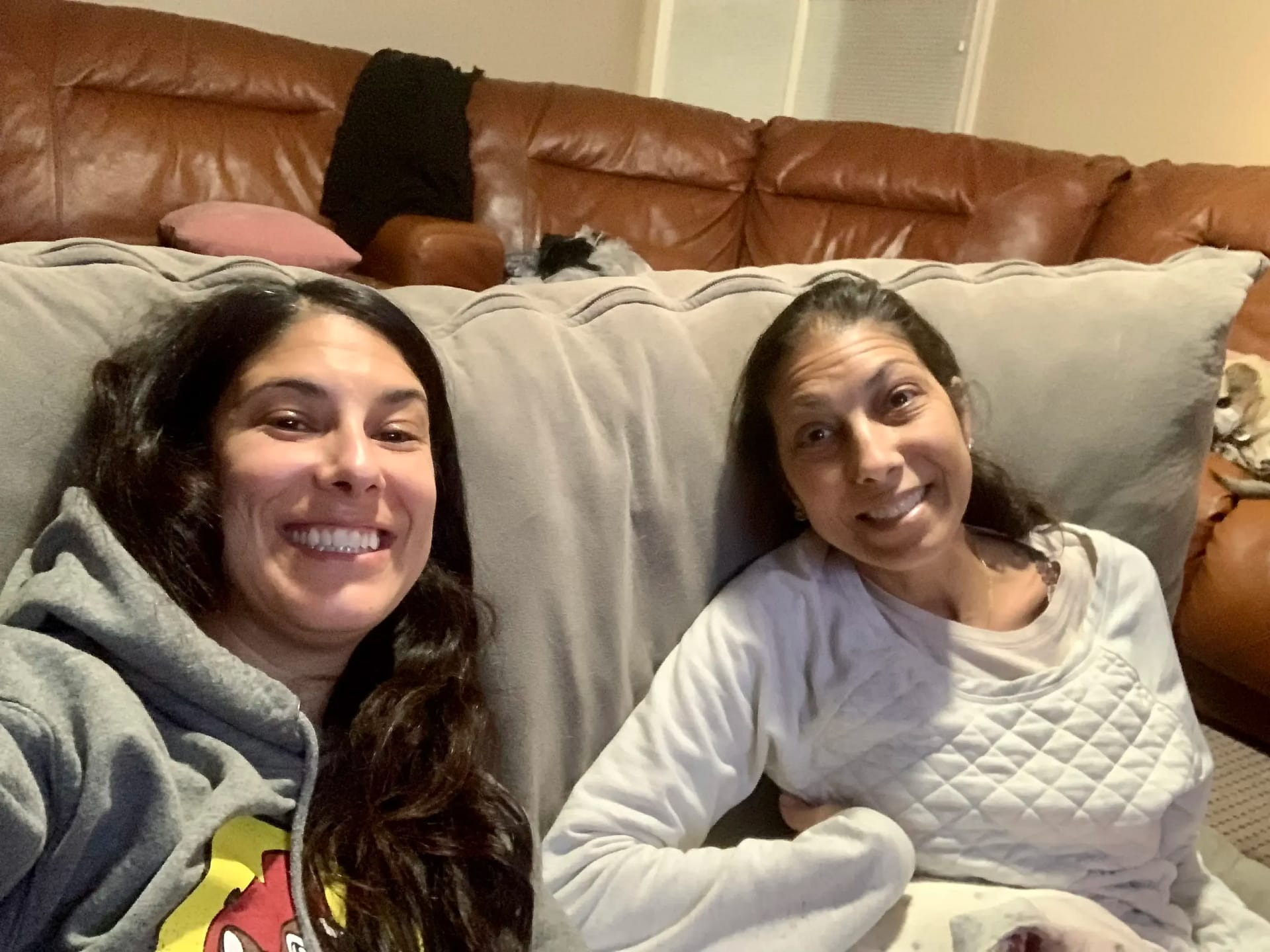
In January 2023, on the last day of her life, thirty of Christina Passalaqua’s closest friends and family gathered around her — all wearing Mickey Mouse ears.
Christina had spent most of the previous three years undergoing extensive treatment for breast cancer, and, later, stage 4 pancreatic cancer at Sutter Health/Palo Alto Medical Foundation. By October 2022, treatment became more problematic for Christina than the disease itself. She decided to focus on living: She made it to her 50th birthday, did a beach tour in an RV with her husband and children, saw her niece turn 4.
A few weeks after concluding treatment, Christina began the request process with her Sutter Health care team for an aid-in-dying prescription, and they connected her with a local hospice to lend support during her last days.
On January 9, Christina’s loved ones, including her sister Sera, donned the Mickey ears to honor her dream of going to Disneyland before she died. When the hospice doctor showed up, he put on a pair, too. Christina died peacefully in her sleep less than an hour after taking her medication.
“Christina wanted every one of us to be a part of it,” Sera shared. “Doing it on her time instead of on cancer’s was empowering.”
Navigating end-of-life care can be like putting together a puzzle, taking into account your needs, your values, and your existing options — including curative treatment, palliative care, hospice, VSED, and medical aid in dying.
Ultimately, the pieces should come together in a way that reflects your values, as it did for Christina.
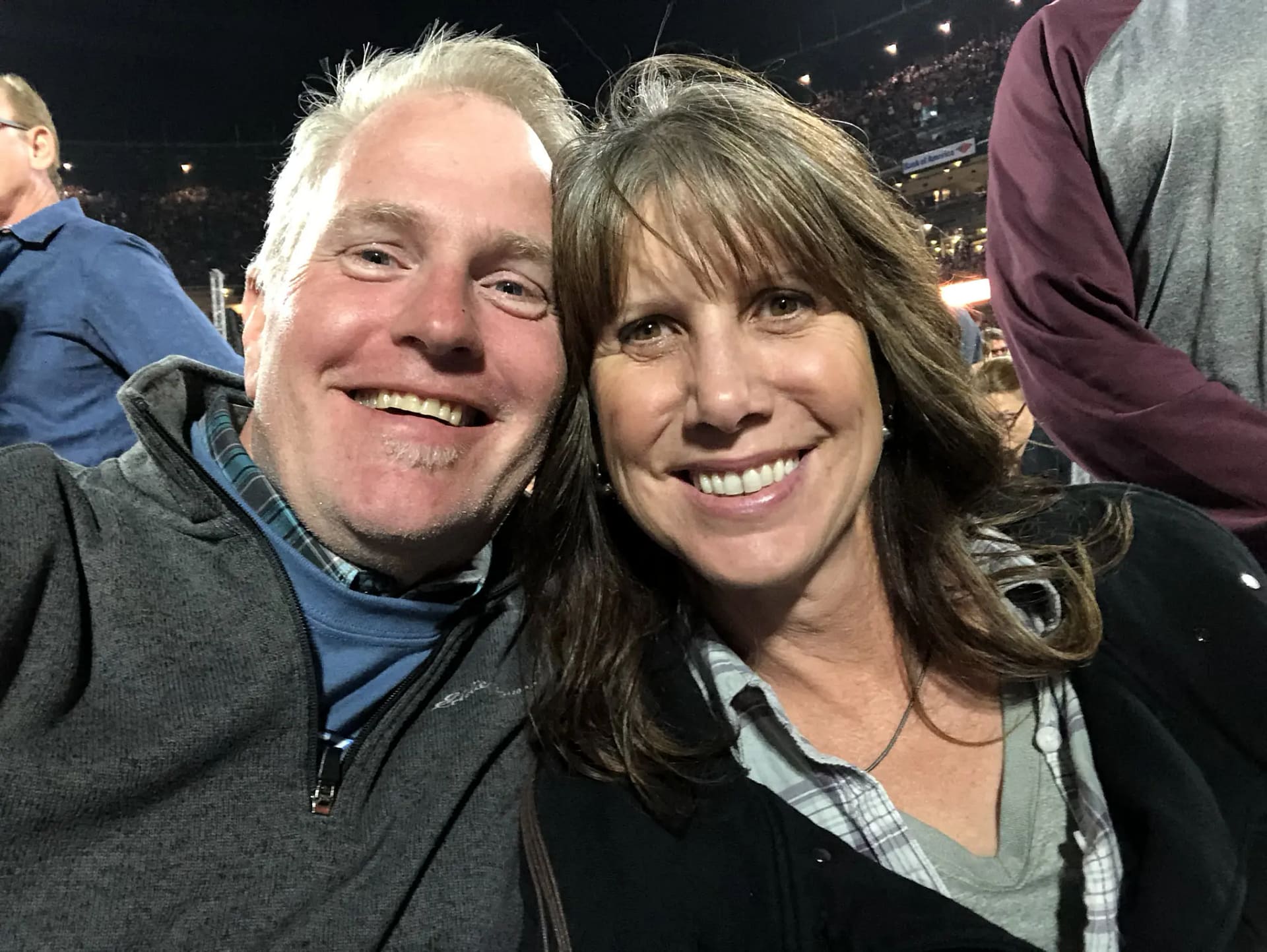
For Chris Pauley, this looked like continuing to pursue treatments — immunotherapy followed by three clinical trials — for melanoma while also going through the process of qualifying for medical aid in dying, all with her oncology team at UC Davis.
“Throughout our journey, we realized how important it is to know what your options are,” Chris’s husband, Ken, said. “It’s not just going through or declining treatment. You also have a choice in how you manage your care, and that includes how you want your life to end.”
Four days after Chris and Ken met with hospice, she decided it was time. Chris died on her farm, by Ken’s side, her beloved mule, Angus, and horse, Frankie, in view.
Medical aid in dying is one option within the full spectrum of end-of-life care, and many people who are eligible for it don't realize it's within reach. But knowing it exists and knowing how to access it through your existing care team are two different things.
Start conversations early with your healthcare provider and loved ones about what matters most to you at the end of life. Ask about different paths to achieving what’s most important to you.
Thanks to integrated care programs, accessing medical aid in dying was no different than any other option Christina Passalaqua or Chris Pauley chose for themselves: informed, self-directed healthcare to the last moment.
Your care should likewise reflect your values, your wishes, and your definition of a good life — all the way to the end.

Mail contributions directly to:
Compassion & Choices Gift Processing Center
PO Box 485
Etna, NH 03750
Compassion & Choices is a 501 C3 organization. Federal tax number: 84-1328829